Portraits

In a world where photo and digital artworks are common, a painted portrait still has superiority in value. Portraits make excellent gifts for family, close friends or even yourself. Wedding, births, ones passed, family portraits or pet portraits are all treasured.
Tina-Renae offers acrylic painted portraits of all sorts of creatures, including humans. Tailored to suit with the option of morphing it into the fantasy world.


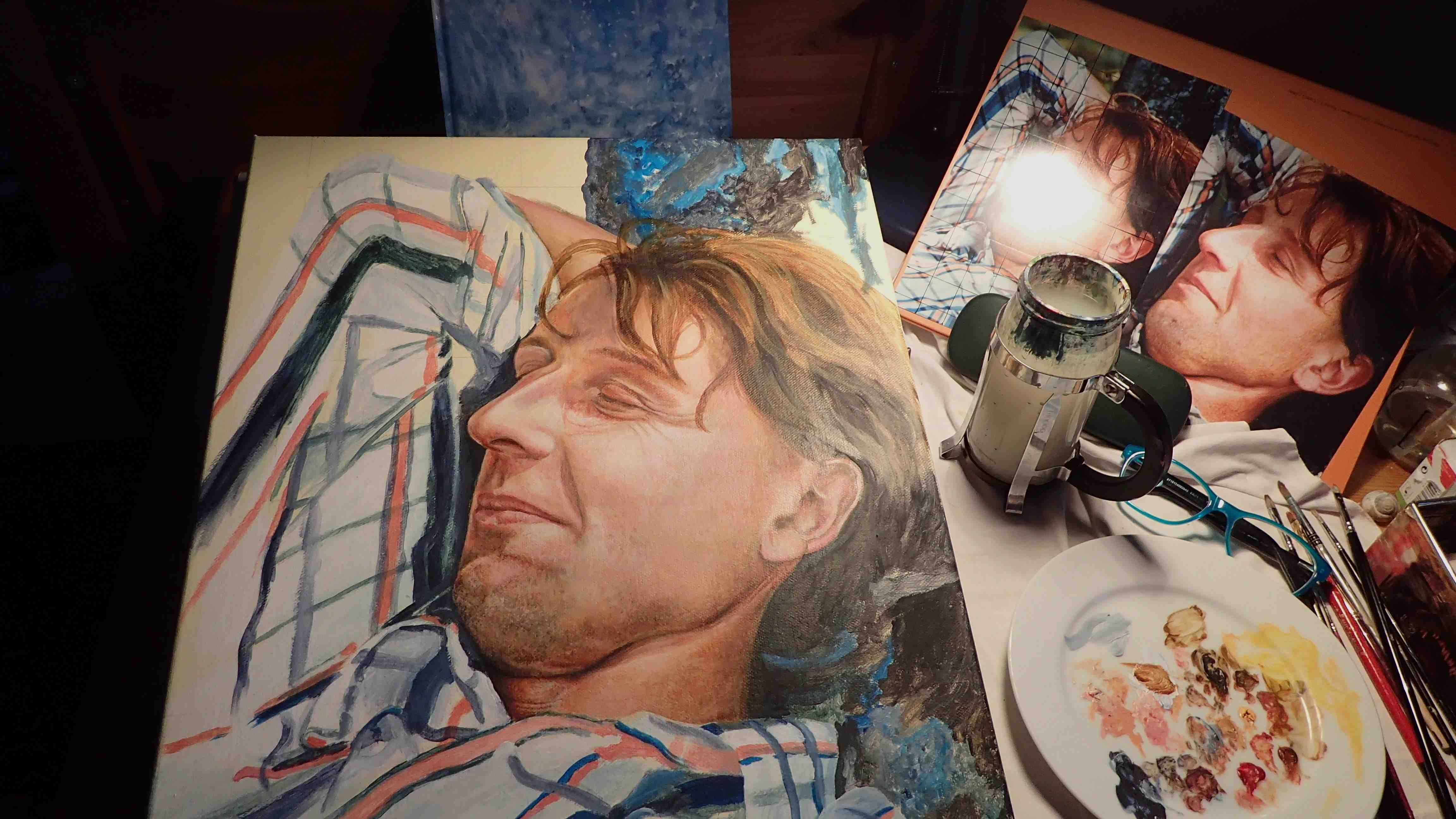
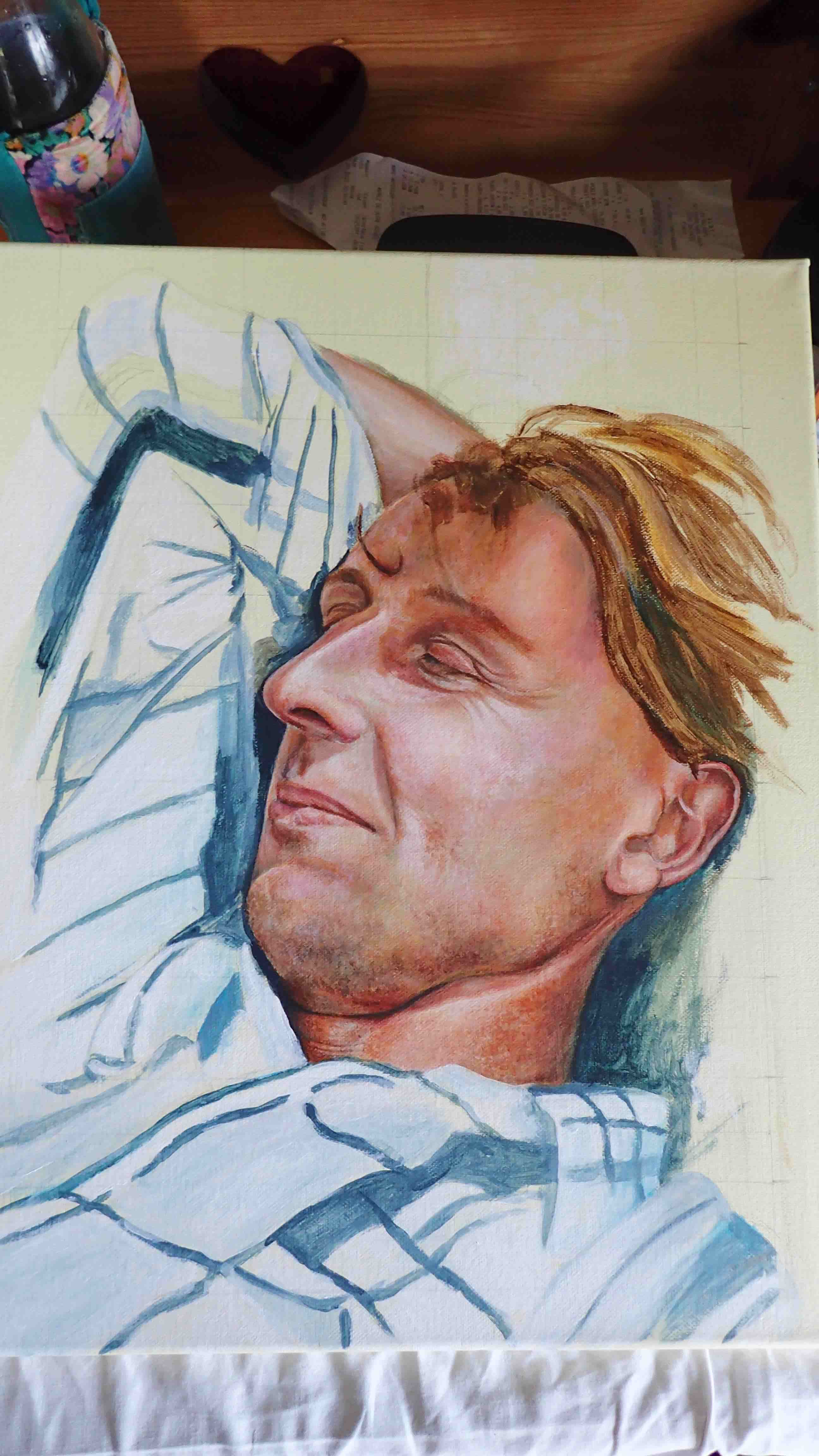
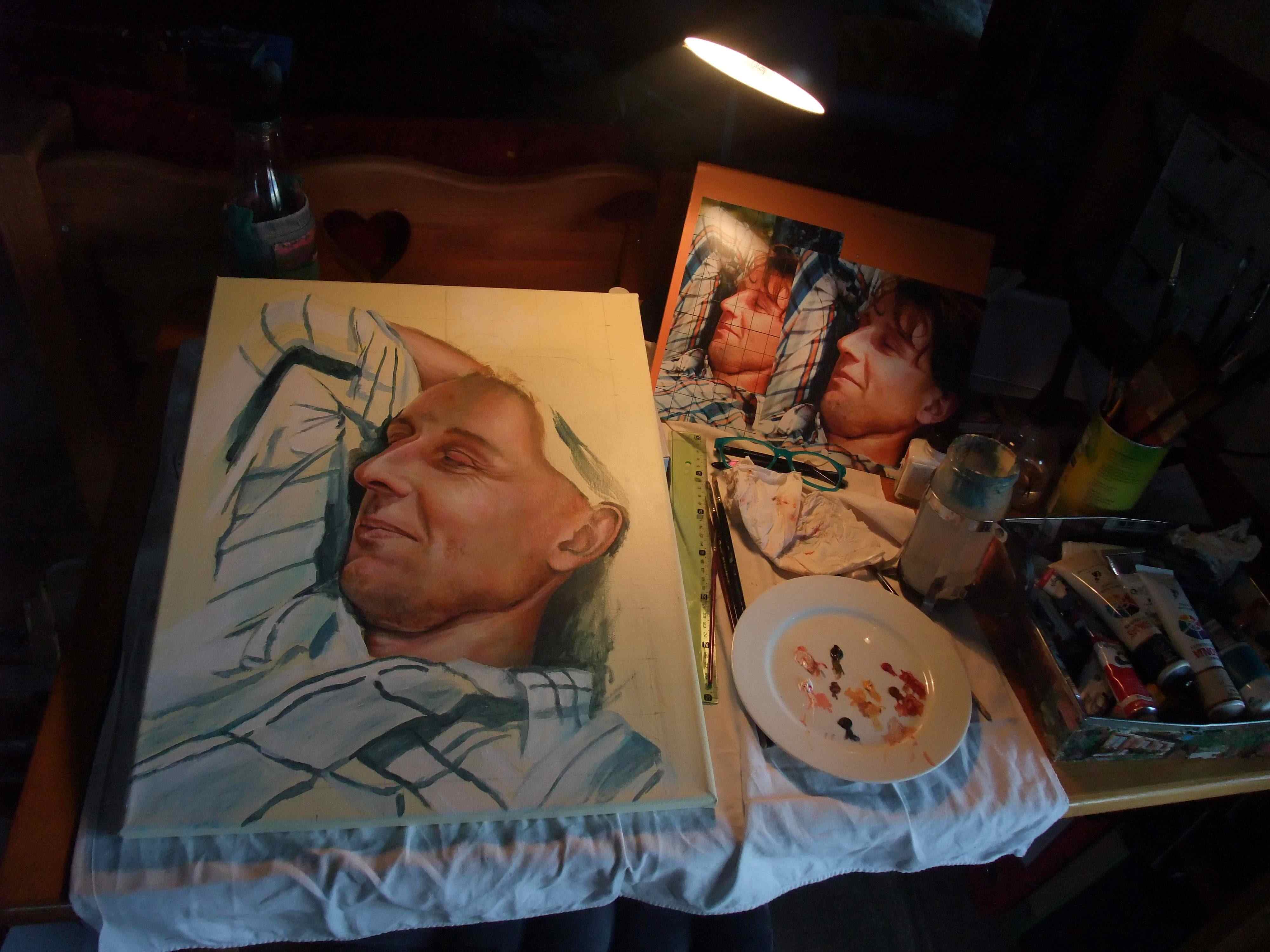
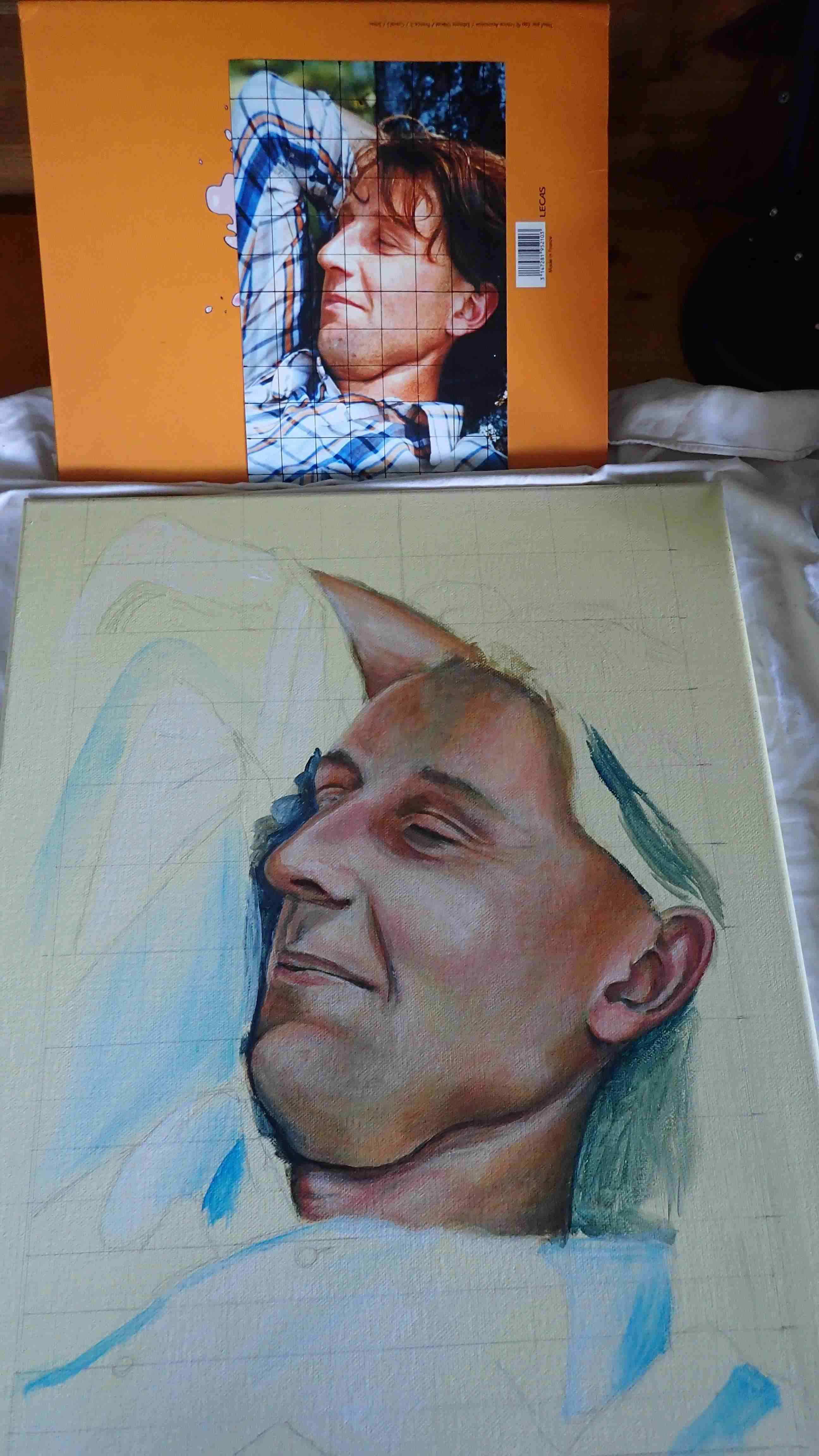

Tips for picking a photo for a portrait painting:
Most portraits are done off photos these days, so below are some pointers in choosing the photo and a couple of extra tips to help in the process.
Photo faces
There are photos that make good photos, but not good painted portraits. There is a mask that most people put on, when they are having their photo taken (this is a facial expression they have learnt to hold in the moment someone takes a photo). Children who have had their photos taken a lot, can learn their mask at an early age. Check that the photo you have chosen, isn’t displaying a mask.
Missing body parts:
There are some positions that can be painted with cut off body parts and others that just look strange (dismembered), it all depends on the composition (placement). The artist can imagine and make up to a third of a missing body part, provided it isn’t something important, like a hand. If they have to imagine more than a third, the body part is in danger of looking like someone else’s body part.
Blurry photos
Blurry photos make blurry paintings, unless you want something like the pop art look.
Vampire eyes
If the photo is showing red or black eyes, this can be difficult for the painter. Capturing someone’s essence in a closeup is largely done through the eyes.
Orientation
Front on verses side on: Portraits don’t have to be front on, the person can be focused elsewhere and still be captured.
Micro-expressions:
The look on someone’s face can reflect their thoughts and emotions. It can be hard for a non-artist to see the tiny details in a micro-expression that show these. For example, a person caught off guard for a photo, can give a fleeting look of annoyance that can be overlooked by a non-artist. Check with the artist if your photo is displaying thoughts or an emotion you didn’t realise.
Capturing the essence
Capturing a person doing what they love doing, is a good way to capture their essence. This does not have to be a front on shot, the body position can say a lot.
Objects/general loves can be included in the portrait. For example: A person loves going fishing on a lake, but you don’t have a good picture of them doing that. Provide a photo of the spot on the shore and a photo of the person sitting in a position suitable and the artist can superimpose them. For this, the direction of where the light is coming from and the type of light (strong, soft) needs to be similar or flipped to suit.
Creativity
Let the artist know if you want an exact replica of your photo or if you don’t mind them getting creative. If you choose your artist because of their style, then allow their style. Depending on the Artist style, they may prefer to work with different contrasts (light and dark) or compositions (placement of face, body background). Most Artists have their specialties, for example an artist may be really good at painting children’s portraits, but not older men (although some Artists are allrounders).
Examples
If you can, provide a selection of portrait photos for the artist to choose.
Check the Artists portfolio and if you find a style or composition you like in a previous work, mention this, so the Artist has some idea of what you are after.
Decor
Consider where the painting is going to be hung and take into account the colours and style of the decor, when choosing the photo and Artist. Dont forget to discuss your decor with the artist to help guide which colour tones or style to use.
Time frame
Allow enough time for the artist to paint the picture, depending on the style and the artist’s schedule, it can be 2 weeks up to months. If you have a deadline that you want it by, let the Artist know. It is preferable to give a reasonable deadline, this helps the Artist, because Artists have a habit of getting distracted. Oil takes longer than acrylic or watercolour.
Payment
Different Artists have different payment methods, for an original portrait, a down payment is common. A contract may need to be signed after a price is agreed upon. Whether there is a contract or not, make sure you agree on a price before the down payment is given (written is preferred). Discuss canvas sizes and mediums (acrylic/oil) at the same time as pricing.
•The price usually doesn’t include framing. A thicker canvas may not need framing. If you want framing included, you need to discuss this with the Artist beforehand, because they may choose to use a different canvas frame.
 Tina-Renae Art